Showing posts with label amblyopia. Show all posts

Sunday, April 12, 2015

Aperture Rule: A Vision Therapy empathy top tip

As you might know, at this point my eyes are looking pretty much normal most of the time but the inability to converge consistently remains crippling. It drains and strains a lot. It's like a massive extra backpack I'm wearing, or an invisible barrier between me and the world, preventing me from getting things done more easily.

Currently, much of the time, I'm living with a male cousin named Thierry (22) and female cousin named Cynthia (26). They are very nice about my peculiar situation and try to understand. I, in turn, am very patient in trying to explain my neurological vision problem even though, after all this time, I'm often fed up trying. By now, however, I am getting quite proficient at linking theory and experience into a coherent narrative. More importantly, they are really interested and concerned on a personal level so it's worth the effort to make them understand more fully. I'm really lucky in this respect because that quality is not something that can be taken for granted. They even defend me and try to re-explain the issue when other people ask them, "What is your cousin doing with his time all day?". They try to grasp and explain the reason why I am seemingly unproductive. Because of the nature of this problem, I know it's nearly impossible for them to understand completely but they are very considerate and do their best. That's a prerequisite for true communication.

To my delight, Thierry, who is also an engineering student, got so interested that he wanted to perform some of my exercises himself. Earlier we did some trial runs on the Cheiroscope and he was very good at it. His drawings were very stable and deliberate and his corners nice and sharp. That was to be expected. The fact that my drawings aren't stable and deliberate is basically the only reason I didn't end up to be an engineer in the first place.

 Now, what was even more interesting is our experience with the aperture rule. The aperture rule artificially dissociates accommodation and vergence. In other words, it makes it harder to use both of these basic visual functions appropriately to see a single AND clear image. The goal of this exercise is to further automate and incorporate these skills and enable the patient to use them without effort. This is an often re-occuring theme in Vision Therapy. The Rule has 12 levels for convergence and 12 levels for convergence depending on which Aperture plate you use. I, myself, am not super-solid on any level but my best performance, including head turns while viewing, is at level 4 using the double aperture (divergence setting). Generally I am more at ease with the divergence setting but I can only go up until level 6 before the target picture doubles up.


In the convergence setting (single aperture), I have often trouble keeping a clear and single image regardless of the level. Much depends on my fatigue level but generally there is improvement. When well rested, I can go up to level 6 or 7 when keeping my head still and focusing intensely. With head movements things tend to jump around. After all, this exercise is particularly hard because of the artificial dissociation of accommodation and vergence. It is my dream to be able to do the aperture rule fluently and without too much effort up to level 8 or 9. Well, the higher the better but let's start with that. Good stuff ahead! Can't wait!

Let's get to my point. I had both Thierry and Cynthia do the Aperture Rule. I got them to do convergence which they could do well, as I expected. They could go all the way up to level 12, albeit with some effort. At the higher levels they started to need some time to fine tune their vision to adjust to the heavy load of seeing both singly and clearly. They started to have the experience of having to work for your vision! They uttered things such as, "I can see it but I can't see it well", or "It takes a lot of effort!". Thierry even said, "You've explained your vision issues so many times but this is the first time I REALLY understand what you were talking about. It must be so exhausting having to work for your vision in this manner ALL the time!" Afterwards he said he was very tired.

For my part, I told them they were fortunate because in modern life convergence is most important when it comes to completing daily living tasks successfully. My inability to converge is the main reason why I'm out of service. Then I had them try divergence. They were completely floored. They even had trouble figuring out how to see level 1 correctly. Maybe it was not an inability to diverge but rather an inability to grasp what was expected of them. It's not always easy to figure out the Aperture Rule the first time you encounter it. Nonetheless, Thierry was intrigued. He remarked, "Apparently I have a visual limitation. I don't like it. I want to improve, especially as I want to try and become a pilot later on." 

There you have it, people. A Vision Therapy empathy top tip: the Aperture Rule. If you can't shake your vision problem easily or quickly, make 'em join you!

Sunday, March 29, 2015

Cheiroscope: video, drawing samples and implications

After a nice theoretical post, let's get down to the nitty gritty. How can we get a tangible look into how someone perceives his personal space? How can we determine inconsistent perception of space interfering with the construction of solid brain maps?

As vision writes spatial equations for the muscles to solve, cheiroscopic drawing is an interesting way to gauge the state of ocular motor ability and spatial vision. During cheiroscopic drawing, one's visual system is completely stripped of contextual aids. Broader context often helps strabismics to get around and complete certain tasks by circumventing proper ocular motor movement or spatial vision and by relying on sub-optimal, monocular vision adaptations and other senses. When using a cheiroscope none of that is possible. Your drawing hand and fingers HAS to take its cues from the eyes. The movements of the hand are based on the movements of the eye. If the eyes are positioned well, move together in a smooth and harmonious manner and can maintain a steady posture, you will succeed. If not, you will come up with an inconsistent and skewed drawing. It's that simple. A direct connection. No more adaptations, no more tricks, nowhere to hide from your visual shortcomings. It's a head-on confrontation with your visual limitations but also an opportunity to improve and to chart and compare that improvement over time.

I made a little, informative video about a cheiroscope that can be used at home. I apologize in advance for the constant movement of the camera. My video recording skills also need more work!


Here are some more of my practice run results produced by using that device (March, 2015). They are each of them unique and contain small mistakes. The variations in the drawings are variations in my vision and ocular stability. My vision is still volatile and unstable. Yet, it's a far cry from where I've come from years ago. This maze is very detailed and requires a fairly sophisticated level of ocular control on which to base your solution. Merely being able to try this exercise is already a triumph for me.


Let me show you where I've come from, going all the way back to February, 2011. For that purpose, I will be showing drawings made by me with another type of cheiroscope. This is a standup variation of the cheiroscope. It is called the Wolff cheiroscope named after Bruce Wolff, OD, who designed it.

Recently, at the VT office, we were comparing some cheiroscopic drawings I had made over the years. These pictures compare the results of the same cheiroscopic drawing exercise. The upper drawing was done on October 16th, 2012. The lower drawing was done on March 16th, 2015.


The relative position of the drawings is different because of different eye positioning. Also the quality of the drawing itself is markedly different because of improved ocular stability. In 2012 the left hand drawing was so inconsistent that the sun wasn't even staying her box. Hell, there was not even a clear box! And, as someone acutely pointed out, now the suns do have a smiley face!

What's even more startling is the fact that, on October 16th, 2012, I had already been in Vision Therapy for one year and eight months! Here are two cheiroscopic "Van Orden Star" drawings comparing February, 2011 to October 16th, 2012. The drawn lines should converge onto the highlighted fold. In the first drawing, in 2011, this certainly wasn't the case. I had a considerable vertical misalignment too.

Van Orden Star
Notice that, in the picture with the sun drawings, the upper drawing was drawn on the same day as the lower Van Orden Star drawing. This nicely demonstrates that improvement is relative. On October 16th, 2012, I was delighted about my improvements regarding the "Van Orden Star" drawing. However, the more visually demanding and detailed sun drawing exercise left much to desire. Now, another two years later, the sun drawing too have improved significantly and I will continue to go down this road of more ocular stamina and accuracy. The only thing one can do is to consider his current vision status and keep on stacking incremental improvements to eventually get to a better place in the future.

My primary vision therapy goal is not stereo vision. Stereo vision seems to be a combination of various basic vision skills. Overcoming the crippling legacy of strabismus surgery, which has thoroughly destroyed already ailing basic vision skills, is my primary vision therapy goal. To be specific, I need smooth tracking, reliable saccades and a stable vestibulo-ocular reflex. When I accomplish that, I'm golden. From what I hear, stereo vision will be a nice bonus on top of having these basic visual skills. These basic visual skills by themselves are pretty awesome too though! Without eye muscle surgery, I would already be seeing in stereo! However, as the cards have been dealt this way, these extra hurdles have to be taken. There is no other way.

Me and my Vision Trainer summarized the current situation as follows. "No one would have thought you would have come this far when you walked through the door, more than four years ago, but now you possess the basic visual skills. You can see through both eyes, you start having fairly good eye motility, you have some fusion in polarized targets and you can even figure out depth in tranaglyphs with a reference object like your finger or a stick! You have all the ingredients and now have to go a little furter and combine them into a good menu." 

The only missing ingredient is more time and work. I can do that. The cloak of subdued dysfunction is slowly lifting itself. I have mentally prepared myself it might take until January 2017 for me to reach workable levels of vision. After six years, I think, this Vision Therapy thing will start to lose some of its charm. Hahaha. Cheers, everyone!

Tuesday, March 3, 2015

Jaw clenching, Vision Therapy and earthquake resistant structures

Personally I learn a lot from reading/listening up on vision rehab and anatomy but I learn just as much from having conversations with other strabismics. I think it's a practice that could be useful to anyone with any problem. Don't compare yourself to people with a very differing, in this case neurological, background. Learn from people who are similar to you and dealing with similar day-to-day problems. What follows is a blog post constructed on this type of conversation.

PASQUALE: Hi Michael, in many blog entries you mention jaw clenching. I too have said that I engage numerous facial muscles while I try converging and diverging at different targets.  It feels like the brain is recruiting other muscles because it still hasn't figured out how to properly use the eye's extra-ocular muscles.

MICHAEL: I always think of it like learning how to do something with your left arm (unless you are left-handed). First you use your entire arm, often in a contorted way. Then you move on to more specialized movements of the joints and ultimately you can do things smoothly having very fine control over your arm, hand and fingers. Theoretically the potential for improvement is limitless.

Let's transpose this to the visual realm. At first, when trying to accomplish a visual task, you are doing it very clumsily and inefficiently. Your brain is trying to accomplish a task which requires fine ocular motor skill but it's not succeeding because of a lack of (lasting) control. Because many of us are hardheaded we redouble our effort and adjacent regions and resources like facial muscles are drawn into the process to little or no avail. Not good. Instead of redoubling our effort employing a very limited set of visual skills we should go back to the drawing board and improve and multiply our skills. Technique is more important than 'brute' force.

The visual system involves six of the the twelve cranial nerves. That's a lot of guns to fire and potentially misfire. When I experience jaw clenching after too much reading or just a visually or otherwise stressful situation, that implies I've gone beyond my current visual skill level and I need to back down.

Trigeminal nerve - 5th cranial nerve

PASQUALE: Have you figured out exercises that eliminate engaging other muscles except for those needed to coordinate the various components of the eyes.

MICHAEL: Well, any activity that encourages 'the eyes', meaning the appropriate muscles and neural processes associated, to do the work without recruiting other muscles. That implies not going too far beyond your current skill level and paying a lot of attention without getting frustrated. For me it means slowing down and lowering expectations while gathering finer motor control. As long as my jaw doesn't clench, I'm in the safe zone. Once I start hurting, I'm overdoing it. It's not always easy to be patient and sometimes there are just visually stressful tasks I have to deal with. Then I'm tired, dizzy and in pain.


When thinking about this problem I'm reminded of something I learned about earthquake resistent structures. There's no such thing as a completely earthquake resistent building but you can improve a buildings capacity to withstand external shifts to a large extent. There are various approaches you can adhere to when going about the seismic retrofitting of a structure.
- You can increase the global capacity of a structure. (strengthening)
- You can isolate the foundation so the structure can shake on it. (partial flexibility)
- You can impose intelligent structural changes. Structural vibration control technologies minimize forces and deformations. (flexibility)
The last option implies that various individual parts of the building can move or flex allowing for shock absorption.

Vision Therapy is akin to a seismic retrofit for the visual system. You make structural changes in how it works and learn how to control and flex individual parts. You learn to lean into a quake rather than stiffening up.  That way you can withstand more external demands, with reduced energy drainage and avoid collapse of the structure/system.


For me, eye teaming remains a big challenge but I'm getting there. A related challenge is to gain more independent control over vergence and accommodation, i.e. taking on any binocular stance while manipulating my eye lens as I please. Either component should have limited effects on the other one's performance and there should be a certain ease in doing this. Just like using indivudual fingers while playing the piano.  An increased 'isolation' of these visual components gives more freedom of movement. To continue the piano anology, you'll be able to play 'visual Mozart' instead of just hitting the keys indiscriminately with all fingers at once.

As far as particular exercises are concerned, there are plenty of options to choose from if you understand the underlying principle. Magic eye stereograms, prism/spherical flippers, Eccentric Circles, Aperture rule, even just playing freely with your vision, ... Many VT practices are grafted on this idea one way or another. They are looking to improve smooth eye teaming, lens focusing and then increasing skill level by adding more activities (balance, body coordination, cognitive skill, ...).

In that respect, I particularly liked a quote from the interview I did with Mark last month. It illustrates this point very nicely.
MARK: I still have strabismus but I have a greater degree of control. The reduced suppression helps. I can line everything up that I need for stereopsis (fixation on an object, in focus, no suppression, awareness of peripheral vision etc.). It can be an enormous effort but it's like any other form of learning. Repetition is the key and progress, however slow, will be made!
The only catch 22 when talking about all this 'control' is that you won't necessarily attain it by going about this like a control freak. Be relaxed, patient but determined.

One month later... 

PASQUALE: It has taken me over eight months to finally feel that my brain can move my eyes with better coordination without trying to recruit a battery of other facial, non ocular muscles. I have gone through an entire slew of other muscles including those around the temple region, jaw, even moving my ears. The worse was when I actually felt my upper jaw putting tremendous stress on my entire skull as if trying to separate one from the other. I have to say that I see more positive progress now that my brain isn't trying to move my eyes through the recruitment of all those other muscles.

Thursday, December 25, 2014

Looking back at 2014 and looking forward to 2015

I just reread my post from December 25th, 2013. It's always interesting to compare thoughts over time. Often we get lost in the day to day to remember the overall progress we have made. I remember being able to do some bar reading for the first time ever in January 2014. I also remember being able to do head turns without the view going double and shaky in May. This still isn't always the case, depending on fatigue, but that's when it happened for the first time. Stabilizing the Vestibulo-Ocular Reflex will be of utmost importance to complete this visual rehab process. Two major milestones right there.

These firsts produced themselves under controled circumstances and while maintaining a regimen including lots of rest. They need to be solidified but they are obviously good signs. I still face trouble reading and using electronics due to convergence problems BUT there is improvement. Improvement is what we are going for. You can't expect to directly go from being partially paralized to running marathons. It feels like I'm litterally completing a picture and filling in the holes, motorically and perceptually. Each year, since I discovered Vision Therapy, I have added or improved underdeveloped or damaged visual skills and it's compiling into something substantial. I hope all these elements will come together, integrate and anchor themselves through sensory fusion and hopefully stereovision the upcoming year. In the end it will have been worth every second. As the years go by I feel less shell-shocked and post-traumatic stressy and more grounded and armed with more adequate visual artillery to face the world and its challenges. If I can pile another year of improvement on top of that, who knows where that will lead me. I'm eager to find out and pursue that road. Usually the results always produce themselves but the timeline is always more extended than I'd hoped for. God, give me patience! :) Happy New Year!


It might have to be the next Christmas, or the one after that,
but I will get what I'm after.

Wednesday, December 3, 2014

Check-up 9: Our four year anniversary

On December first I had my half yearly optometric evaluation. Sight in both eyes is good but the axis of astigmatism in my left eye has shifted marginally.

This is my current Rx.
OD: +2.50
OS: +2.50 cyl -1.0 axis 35°

When testing my binocular vision my ocular motor abilities are approximating what it should be. When testing sensory fusion things are less clear. Looking through an haploscope using some basic targets I do perceive the suppression controls and have what looks like a consistent and fused image. Based on this my optometrist tells me I have 'central and peripheral fusion'. I'm not so sure though. Using anaglyph (stereo)targets I do not perceive 'luster' fusion, rather I perceive constant switching between red and green. It seems hard to agree on a definition of fusion. But it is true that even though I might still have some form of intermittent and partial suppression at times, it is very easy to consciously break that suppression. Nonetheless it might still be too conscious a decision, especially while in motion. (More about the issue of unconscious intermittent and partial suppression and a potential solution in later blog posts).

In stereo targets, as seen through the haploscope, I can discern the correct relative distance between various elements of the picture by the way my eyes converge or diverge while viewing each of them in turn. When using polarized stereomaterials I do not directly perceive any 3D. To sum up, during none of the tests did I perceive any salient 3D but there are promising signs. "Certainly no bad news today.", the optometrist said.

Revised 'timeline' - Last surgery was in August 2009


The challenge as a chronically untreated young adult with strabismus would have been to overcome the neurological atrophy and the decay of my vision, both motorically as perceptually, as it unfolded ever since my visual development went array. Compared to the current undertaking, that would have been relatively easy. Not easy, but relatively easy. However, I (and my optometrist with me) would say that eighty percent of my recovery is about overcoming the abysmal results of the surgeries I have undergone as a young adult (ages 16, 18, 19) completely obliterating my academic and professional prospects. That is why I am about to enter my fifth year of Vision Therapy.

In order to add more perspective, I'd like to translate and paraphrase some of the conversation I had with him in Dutch.

MICHAEL:  "Let's forget I've been doing this for four years and I were to walk into your office for the very first time in my current condition. What would you tell me?"

G. NAEGELS: "I would tell you you have a slight exophoria and all physiological preconditions for stereopsis recovery are present. In view of the fact that you only developed strabismus at the age of three (accommodative strabismus) your recovery prospects back then would have been excellent. At that age it is very likely you have already SEEN in stereo up until the binocular disruption. I'd recommend for you to try and re-acquire stereo vision because it will greatly improve the quality and stability of your vision and life in general. I think it's within reach now. But it has to happen of course."

MICHAEL: "I'll have to make it happen then."

G. NAEGELS: "That being said, I still think that deontologically speaking I made the right call four years ago by telling you there was not much hope for recovery. Not every patient is as motivated and persistent as you are. I could not have foreseen that and I would not want to arouse expectations that can not be met by the optometrist alone. I've never seen someone so engaged in his recovery. I'm very happy to may have witnessed this in person. It's a pleasant surprise for me and it reaffirms what we are doing here."

MICHAEL: "Thanks. I have no other option so I act pragmatically. It's swim or drown. It's that simple. This HAS to work out."

Thursday, November 20, 2014

Session 79: A short Aperture Rule update.

Recently a VT friend of mine named Pasquale asked me how I had progressed in executing the Aperture Rule ever since I wrote 'Doing time' two years ago. Last week I asked my Vision Therapist whether I could try the AR again to verify.

Two years ago I only recently started having single vision some of the time. Back then I was able to execute the AR up to level 4 (of a total of 12) both with the exo and eso settings.

Right now I am able to execute the AR successfully up to level 7 using either the exo or eso aperture. Not too shabby! Certainly when considering my Vision Therapist said that even people with 'normal vision' often have trouble going beyond level 9 or 10.  

Good. This is where binocular vision problems come to die a slow and painful death. 


Thursday, October 30, 2014

The vestibular system and vision

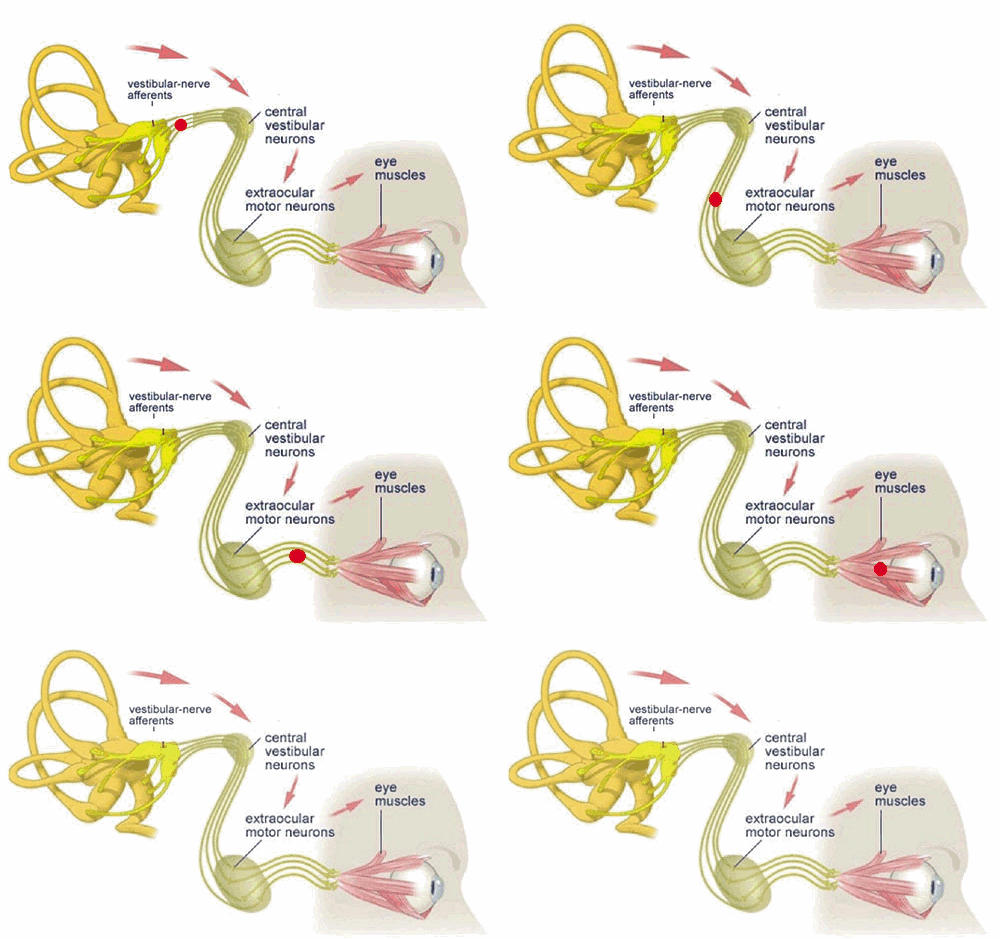
I've been reading up on the link between vision and the vestibular system. It's been quite instructive to say the least. Of course it's annoying not to be able to align the eyes and have double vision while reading etc... However, there's more. It's very interesting how compromised eye movements, in large part due to eye muscle surgery, and consequently a compromised Vestibulo-Ocular Reflex are likely to be the biggest source of disability and fatigue for me personally. When going beyond my relatively low visual endurance limit, the sensory conflict between the visual and the vestibular gets exacerbated. It sometimes feels like being drunk and can even give me something resembling to a hangover later on. Not merely alignment of the eyes but also the integration of these ocular motor skills with the vestibular system will be crucial in terms of lasting vision therapy results and daily functionality.

What is the vestibular system?

- Peripheral
The term 'vestibular' comes from the Latin 'vestibule' which means room. This 'room' is located in the inner ear and contains a minute amount of chemical fluid. Its workings involve the detection of fluid movement by receptor hair cells in various differently oriented semicircular canals. Vestibular injury may or may not be accompanied by hearing loss.


- Central
The vestibular sense is often misunderstood or overlooked. That's because, for instance, there is no such thing as a primary vestibular cortex.

'There is, rather, a complex of cortical targets many of which remain difficult to understand. From the brainstem, vestibular signals reach a subcortical structure called the diencephalon. Tucked in between the cerebral hemispheres the diencephalon houses such important structures as the pineal gland, hypothalamus, and thalamus. Compared to the cerebral cortex the diencephalon is small in size but is very rich in nuclei for sensory, motor and limbic pathways. The thalamus is a central relay station for all incoming sensory signals excepting olfactory information.' - Vision Rehabilitation

Without going into detail, we can conclude this sense is for a large part located in the primitive,  reptilian part of our brain which houses many basic but vital functions. In fact, this sense is so essential to our functioning and well-being, that the vestibular nerve is the first fiber tract in the brain to begin myelination during pregnancy. This process starts by the last week of the first trimester. By the end of the fifth month of pregnancy, the vestibular organ has reached full size with ongoing myelination of pathways to the eyes and the spinal cord.

- Function
Whereas the anatomy and chemistry of the vestibular system itself are fascinating, its interaction with the visual system and other somato-sensory systems are even more interesting.

The vestibular system is responsible for
(1) detecting linear and angular head movement and head position in space;
(2) assisting gaze stabilization of the visual field;
(3) maintaining balance and postural control; 
(4) providing spatial orientation or perception of body movement.

The primary role of the vestibular system is to provide the brain with information to regulate posture and to coordinate eye and head movements. Proper vestibular functioning and integration with the other senses is of major importance to good overall health, optimal functionality and vision.

Link with vision?

'The vestibular system plays an important role in the generation of eye movements that compensate for head movements. Through vestibular nuclei in the brainstem, each SCC (semi-circular canal) is able to communicate with motor neurons of extra-ocular muscles to cause eye deviation in each canal’s own plane. This interaction is the basis of the vestibuloocular reflex (VOR), which stabilizes gaze upon an image or the visual world during head movement. If the VOR is impaired, loss of gaze stabilization is the result. For example, as the patient turns the head while walking an object in the visual field or the whole visual environment appears unsteady or “bouncing.”

Demer described the VOR as a “synergistic” interaction between the vestibular and ocular systems. Normal VOR stabilization is needed for “functional vision, and vision optimizes the performance of the VOR”. Dynamic visual acuity (DVA) plays a role in maintaining a sharper image on the retina, while the VOR steadies gaze during head movement. This interaction is called the visual vestibuloocular reflex (VVOR).' - Vision Rehabilitation


And in turn...

'Sensory receptors in the eyes provide important feedback regarding orientation of the body in space. In other words, where is the head in relation to the horizon? As discussed in Chapters 5 through 7, dysfunction in the visual perception of “straight ahead,” common following brain injury, can cause dizziness, disorientation, and imbalance. In the process of orientation, visual input also provides information regarding possible environmental hazards, barriers or avenues of escape. In the presence of impaired inputs from either the somatosensory (sensory projections from all over the body) or vestibular or both systems there is a strong dependence upon visual input. Defective input from one of the three systems (visual, proprioception/somatosensory, vestibular) may be compensated for by the remaining intact systems such that the patient is able to function, albeit with some discomfort and loss of efficiency. However, dysfunction in two of the three systems will result in significant disability.' - Vision Rehabilitation

Problems?

Even though the vestibular sense might often be overlooked by physicians, one will be made aware of its existence in case of dysfunction.

- Inappropriate nystagmus
'Spontaneous nystagmus, occurring when the head is static (still), is an indicator of acute peripheral vestibular loss. Nystagmus is often along the horizontal plane. Vertical or torsional spontaneous nystagmus usually indicates a direct injury to the brainstem. The cause of this inappropriate nystagmus is a direction-specific imbalance in the VOR as brainstem neuronal circuitry is activated. Inappropriate nystagmus may also be related to medication toxicity, such as some antiseizure medications.' - Vision Rehabilitation

Inappropriate nystagmus may also be provoked by head shaking and indicates an imbalance of dynamic vestibular function.

An indicator of inappropriate nystagmus of central origin, caused by brain dysfunction rather than dysfunction of the peripheral organ, is often the inability to inhibit nystagmus with visual fixation.


- Dizziness
Feeling disoriented, especially in dark areas, or feeling spacey, floating, rocking, or lightheaded. Dizziness is not always related to vestibular dysfunction but may indicate non-vestibular causes, one of which being visual disorders. However, when dizziness is mentioned, involvement of a vestibular dysfunction must be considered.

- Vertigo
Even though dizziness and vertigo are often used interchangeably, technically there is a difference. Vertigo refers to the illusion of movement, typically rotational, when no actual movement is observed. True vertigo refers to vestibular system involvement.

- Motion sickness
What causes motion sickness?

'There is a hierarchical preference to rely on visual input more than any one of the other two systems (vestibular, proprioception) involved in balance. Vision, as proposed by Bronstein, had a dominant role or “hierarchical preference” over proprioceptive input in the process of maintaining upright posture and balance. However, Mallinson et al. suggested that a “visual preference strategy” would not apply to some individuals who have an intolerance for any disagreement between visual and vestibular signals. Paige had previously called this disagreement between the two systems as a “visual vestibular mismatch” (VVM) and others referred to it as a “sensory conflict.” By 1996, the “sensory conflict” theory for the development of motion sickness had been accepted within the scientific field studying this subject.' - Vision Rehabilitation

- And more...
Balance problems, gait ataxia, ...

Of the top of my head I can think of two interesting cases I read about involving vestibular dysfunction.

In the book 'The brain that changes itself', Norman Doidge described a woman who felt like she was perpetually falling due to vestibular injury.   Her vestibular organ was damaged but her central vestibular processing capabilities were intact. We can't even start to imagine how she felt. It completely ruined her life. Until a certain Doctor thought of the idea to supply her brain with 'vestibular input' in a different way. He connected an accelerometer to a tongue outlet which gave her a certain signal depending on the direction towards she was falling. Through the mechanisms of brain plasticity she learned to ignore her vestibular organ and to stabilize herself using this new input stream. Somehow over time, as her brain re-calibrated, she became less dependent on the device and needed it less and less.

Another vestibular story was featured in Oliver Sacks' 'The man who mistook his wife for a hat'. A Parkinsonian, 93 year old, retired carpenter whose vestibular sense had become more and more unreliable started walking tilted over to one side without knowing it. His senses deceived him until he saw himself on camera. He was speechless. After this discovery he wondered whether he could apply the mechanism of a spirit level to his problem. He designed a pair of glasses including some sort of spirit level which he could then use to teach himself to walk upright again. Essentially he retrained his impaired vestibular system using visual feedback. At first it took a lot of conscious effort but later on it got easier and easier. Just like learning how to drive a car.

Psychological impact of vestibular dysfunction

'There are a variety of reasons why patients suffering from episodes of vertigo develop anxiety, depression, poor self-esteem, and a growing sense of disability. The fear of falling or the fear of heights is common. Concern for a sudden onset of vertigo and the loss of control in public venues often leads to avoidance behaviors or “safety-seeking behaviors,” as coined by Gurr and Moffat. The appearance of staggering, falling, and confusion may lead observers to believe that the person is intoxicated. The patient soon finds him/herself avoiding social events and staying home to avoid embarrassment. Physical activity is avoided for fear of provoking an episode.' - Vision Rehabilitation


Testing

- Static and dynamic balance testing. Dynamic balance tests require input from the Vestibulo-Ocular Reflex to stabilize the visual field and make rapid adjustments in posture. Dynamic gait, sit-to-stand, ...
Dix Hallpike maneuver
- Bithermal Caloric irrigation test (COWS): spraying water in the ear. Check it out on Youtube. It's pretty cool.
- Comprehensive Vision Testing: gaze, tracking, binocular vision, perceptual, functional, nystagmography, ...

Please read Chapter 9 of 'Vision Rehabilitation' for more detailed information. 

Rehabilitiation of the vestibular system

Vestibular injury or dysfunction can impose dramatic alterations in a patient’s once active lifestyle. There will be occasions when medication can be helpful in the short term. Surgery is the rare choice. Therapists take caution when a patient has other disabilities (brain trauma, stroke, peripheral neuropathy, spinal conditions, and/or vision disorders), which may limit choices of exercises.

'A key factor in achieving the best outcome will be patient compliance. Education is the greatest tool used by a good therapist to engage a patient’s willing participation in what is usually a difficult treatment program. Between, both, the vestibular therapist and the psychotherapist the patient is assisted in understanding the basics of the dysfunction: Why symptoms occur; the emotional response; and how treatment should help. Initial treatment typically provokes unpleasant symptoms but feeling worse comes before feeling better. Another factor in achieving the best outcome involves adequate intensity and duration of the treatment program.

Progression of function is the best gauge for the effectiveness of treatment. The process of treatment involves strategies for adaptation and substitution by using other strategies, habituation (desensitization), and retraining of balance. As the patient is able, exercises are expanded to include cardiorespiratory conditioning. Goals of vestibular rehabilitation are to (1) optimize compensation in the balance system; (2) habituate abnormal vestibular responses to rapid movements; (3) reduce fall risks by improving balance and postural control; and (4) educate the patient.' - Vision Rehabilitation

Is it a vision problem or vestibular problem?

It's important to figure out whether you are suffering from a vestibular problem with a visual component or a vision problem with a vestibular component. For strabismics who identify with some of these issues, the answer is probably 'a vision problem with a vestibular component'.

That is why in the more advanced stages of Vision Therapy you are not only training eye movement. You are to stimulate your way towards overall sensory and thus vestibulo-visual integration. There's a million ways to skin that cat. Some of the things I do as vision therapy loading: walking, head turns while attempting to keep my gaze stable, walking a beam with yoked prisms, balance board, jumping on a trampoline, standing on my head, running, ...

When my vision tends to go blurry or double and I feel dizzy, it's time to take a break. I flirt with my limit, take sufficient rest and remind myself that sometimes you do have to feel worse before feeling better. Improving these elementary vestibulo-ocular skills does influence and improve more sophisticated and more cognitively taxing ocular motor activities such as reading. The ground is being prepared!

Wednesday, September 24, 2014

The margin of error

Interestingly, my strabismus was developmental since the age of three but in a relatively short amount of time I lost many of my adaptations (suppression, strabismic ways of eye teaming) to cope with misalignment of the eyes. First my suppression gradually declined because of life style, i.e. overly zealous studying, and then the way my eyes moved and alternated was abruptly changed through eye muscle surgery. This left me without any reliable adaptation to deal with my abnormally developed visual system.

So the only option then, is pick up the pieces and start all over again. My visual system seems to act as a binocular system that was disrupted rather than a visual system which developed strabismically. It has no real inclination, or possibility for that matter, to go back to monocular viewing, alternation or any of its other former ways. There's a strong incentive to use both eyes, and it's constantly trying to do so, with varying rates of success. It's a binocular system whose inability to move its eyes accurately is cramping its style. Because of its poor handling, my case more resembles strabismus which was acquired later in life through brain injury than that of a developmental strabismic equipped with coping tools safeguarding functionality.
The level of spasticity or lack of control when it comes to eye movement is fortunately declining. It has been declining for some years and every improvement is a win. As can be seen in previous video posts, it's getting harder to spot there is any problem at all! However, automation is the goal, not merely the ability to execute the movements using disproportionate amounts of attention and energy resources.

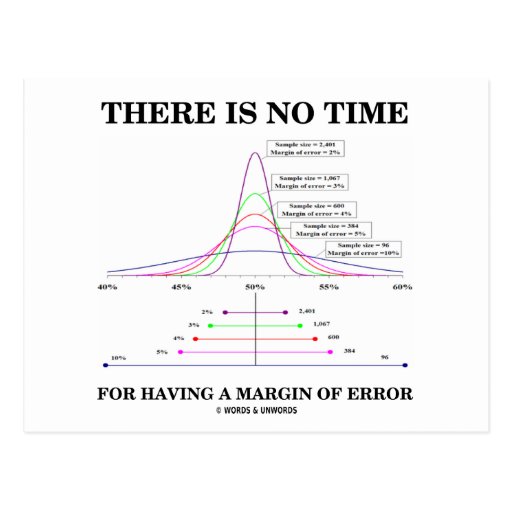
Despite already increased accuracy and speed, there is still a considerable margin of error when it comes to my eye movements. I can not entirely rely on solid binocularity yet. It's either right or not right, and if it's not right you need to waste extra energy on correction which could have been used for observation and interpretation of visual input. Another issue associated with the continual trial and error, and the exertion it requires, is the build up of tension. Because of the lack of eye muscle control, surrounding areas of my body (face, jaw and gradually the entire body) start to tense up. The efforts to keep my left eye in check and attempts to keep up binocular performance will often result in jaw cramps on the left side and headaches. In order to avoid such an escalation it's recommended to allow for a margin of error and try to cut the visual system some slack.

What activities allow for a margin of error?

Reading vs General Navigation

Given this larger than normal margin of error, I prefer to avoid situations which require specific eye behavior.and do not leave much room for error. An obvious example of such an activity that requires precise and infallible eye movements is reading. There's a number of different ways to read but they all require impeccable eye movement control. That's why reading with audio back-up is much more agreeable with me. There's more room for eye movement error that way.

In contrast, the general observation of a road, square or real life situation can be done using an endless variety of eye behaviors. Some are definitely more effective than others but you can still get around.  For someone whose eye behaviors start looking deceptively normal such activities requiring an accuracy level of 'approximate' are starting to be fine. It's starting to get less overwhelming, less out of control. More ocular control will be very welcome over the upcoming year(s) but it's already quite manageable.

Driving is actually easier than walking or running because my body and head stay more or less in position, especially on a highway. Because the road and the mirrors are much larger than the words on a page while reading, and driving is less cognitively taxing, my current level of eye control is okay for driving. In fact, driving is pretty calming as it allows for staring and the use of peripheral vision.

Individuals vs Groups

The difference between reading, general viewing of scenes and driving is pretty straight forward. Here's something which might be more unexpected, or maybe not. Perhaps people without eye muscle palsy experience this difference too. Meeting with one person is a lot more taxing to my visual system than meeting with a bunch of people. I don't look strabismic anymore so it's not about  appearance. Meeting with one person just doesn't allow for much of an error margin when it comes to eye behavior. When talking to someone you have to look at that person. That's specific. It's likely you will have to hold your gaze steady but every once in a while you have to look away. The social situation dictates your eye behavior and your eye muscle control system better be up to the task. Most people I know and enter in contact with are aware of my vision issues and if I do act a little more peculiar than normal and start staring in the distance, I just explain. No biggy. Nonetheless, I try to keep up the eye contact dance. After all, it's good practice! It's also an important means of communication but you need the physical eye fitness to do it. 

When meeting up with larger groups, there is more room for errors in eye movement. You can just listen to the conversation and stare randomly every so often. Attention is divided and you don't always have to look at the person who's doing the talking. It clearly also depends on how familiar you are with the group. An entirely new group in an new environment is a probable overload. I will have trouble moving my eyes to explore and keep up with the new situation, people and environment, especially over extended periods of time. Not much room for eye movement errors in that case because you'll preferably need your brain to deal with the situation rather than an eye movement deficiency. You're losing attention to something that should be working automatically.

Factors that decrease the margin of error

Short term

When I'm going to do something relatively visually taxing, which includes many daily activities in varying degrees, you want to have me well fed and well rested.

I burn calories like you wouldn't believe and when I get hungry my accuracy diminishes and errors occur more frequently. So I'm eating a lot of the time these days as my appetite returned after a couple of very stressful years. This has a double benefit. It more or less keeps up my visual performance in the short run and makes me look less emaciated in the long run.

Naps seriously improve my vision. Even an half an hour nap will seriously improve my visual performance for the night. Don't be a hero, take naps.

Basically I'm just a baby learning how to see. Now we know why they too eat and sleep all the time.

Long term

Current practice consists of finding ways to allow a margin of error while slowly crushing that same margin as time goes by. Sometimes it is not possible to avoid situations that are too visually stressful. Then I do have to hurt myself by pushing it too far, resulting in tension and headaches. But by minimizing the time I exceed my limit and by granting the visual system relative rest, the comfort zone slowly expands.

Eye control and eye alignment should be invariable but is, in my case, all to often variable. Invariable and reliable eye movement control is a great advantage when executing bottom-up visual processing (taking in new visual scenes and observing them) and top-down visual processing (combining stored memories with what is seen). Virtually any human activity employs these kinds of visual processing. Therefore, I'm very curious about the dormant potential that might be uncovered as the rate of movement errors further declines. Stereo vision, for one.   If I ever want to live a 'normal', independent life, there's no other way but to keep working on accuracy, speed and stability of eye movement.


Eye movement control and the use of glasses for hyperopes

It's still frail and not ready to be stress tested, but it's happening. As my gaze gets steadier and the margin of movement errors declines, there is less need for my glasses. As vergence gets easier, I can focus more on the accommodation aspects of visual training. Seamless interaction and collaboration of vergence and accommodation is crucial to obtain a lasting end result in VT. As I'm farsighted (+2.5 in each eye) this evolution could have been expected. The glasses are more a way of avoiding fatigue and thus gaze instability than a way of providing better visual acuity. In fact, I often have to look over them to read things far away. As gaze stability is maturing I actually see better in daily life without the glasses. Ultimately they will just be reading glasses for near point work. Sometimes it even has a calming effect to take them off, even refreshing in a way. I'm still wearing them daily but every so often I let my visual system have a go on its own. Even though my glasses are rimless, it feels different not to wear them. I can believe people have an easier time seeing 3D without glasses or with contact lenses. Glasses have a way of distorting light and possibly binocular vision. However, I'm not going in heals over head... They are a useful anti-fatigue tool while I acquire more eye movement control. 

Tuesday, September 2, 2014

A wedding without double vision

This weekend I attended a friend's wedding. I enjoyed it immensely. It was a reminder of the fact that not everything in life has to be a struggle. Not everything needs to be difficult. It's nice to see so many happy faces celebrating a joyous occasion.

During the last three years I have gone out of social circulation a bit. This is because I was suffering from all the symptoms you might associate with a severe concussion due to chronically untreated and mistreated strabismus. Social circumstances don't always bend to health and resting needs. It's weird to suddenly need to close your eyes to rest them or have to lie down so I prefer to avoid such situations. It has been hard enough to manage and explain my condition to my in house family. It has often proven challenging not to lose my nerve and get angry at their incomprehension of what is obvious, at least, to me. Certainly when thinking they could have avoided the whole thing by using their own brains. Sometimes Sartre is right. L'enfer, c'est les autres.

I also didn't socialize too often because it doesn't change anything about my peculiar problem, drains my energy and adds to the frustration. I simply have to 'do the time' while not bashing into the walls too much. I have been fairly successful at doing my recovery time without repaying, often unintentional, hurt with hurt. That's the best and most sensible way of doing it. I'm good at restraining myself from doing stupid things.

Still, life goes on.  Everyone else goes on to live their life and you have to start from scratch. While they get to have opportunities, jobs, weddings and babies, I have to teach myself how to read. The wedge has always been there, and I have done a remarkable job of covering it up, but in the end the truth remains. I don't possess the visual motor skills to do even basic reading. High intelligence and impeccable work ethic will only get you so far without those.

Meritocracy is dead. I felt as if whatever I do makes no difference and gets me nowhere in life. No wonder I didn't feel like socializing. I mostly felt furious and alienated. This is why, despite being a sociable person and having lovely friends, I was not always capable of being good company. The last thing I wanted to do is lash out at them for something that isn't their fault. They can't help the fact that they have what I want without even giving it a second thought. They can't help a whole series of ignorant, negligent and blameful people made me squander my youth and are still making me pay for their mistakes. However, irritation is natural when being locked in in your own body. Usually thinking about all this lost time and effort makes me want to throw up. Fortunately I have a good understanding of the situation now and know the only solution for me is to take my losses and build a better visual system.

This weekend I felt differently. It might be because I was able to get through the entire day without running into double vision or insurmountable exhaustion. This made me enjoy the day, the lovely people and the beautiful party. However, I think there's more to it. Even though I'm not exactly aiming for a 'normal' life, it must be nice to be able to function normally. In other words, take your life into your own hands. I think I can eventually attain that freedom. I'll have to work with the delayed time frame but I feel as if there's still hope for me after all. In a recent e-mail conversation with Sue Barry, she told me: "It's amazing how much we were missing visually, but this also gives us the opportunity to keep improving. Although my biggest visual changes occurred when I was in formal therapy in 2002 and 2003, I still strategize with my optometrist a few times a year about new exercises I can practice at home, and my vision continues to improve. I'm 60 years old, and while all my friends are complaining about how they are aging, I'm seeing better. So, there are compensations and -you're right - the best is yet to come."

Being there I could just savor the moment without feeling betrayed by anyone having had 'an easier time' than me. I could be happy for them without thinking about our contrasting lives. I won't have to be a dysfunctional illiterate person without opportunities forever. I too will be okay one day and get out of this mess. Among all those happy people I thought about how far I have already come in recovering the unrecoverable, enjoyed my single vision and smiled. Indeed, the best is yet to come.

Wednesday, August 13, 2014

Session 76: Bring in the periphery

Skills acquired so far
- Smooth eye movements, improved vergence amplitudes and eye alignment
- Improved accommodation amplitudes and continuing improvement with flippers
- Stabilizing Vestibulo-Ocular Reflex
- Being able to judge depth using physiological diplopia and reference cue

Left to do:
- Automation and stamina
- Integration, integration, integration.
- My VT seems to be expecting I'll see some float in the Vectograms rather soon. To accomplish this I have to widen the span of my visual field.  That's hard for me. Most of my life I've been busy suppressing my peripheral vision as an adaptation to strabismus. When I try to include more objects into my field of attention my gaze tends to get unsteady. This happens because my limited attention resource partly shifts from eye alignment to the widening of visual intake. That will be the next hurdle to take. "Bring in the periphery!" as my Italian friend Llaria likes to say.

Nice list of acquired skills though. What a journey it has already been over the last three and a half years... Every summer things look different. I'll keep inching forward and by next summer we'll have some good and honest 'float'. Ha!

Thursday, August 7, 2014

Some of my current home based VT activities

Everything we do or don't do has neurological consequences. That's why everything we do or don't do matters.

It's important to note that these activities are not suitable for every VT patient. Nor are they suitable at any stage in the rehabilitation process. They are suitable for me because my ability to control my eyes has reached a level allowing me to handle these activities without imploding, albeit with appropriate rest. Getting to this stage has taken a long time. I've had to do a lot of boring ground work first. Expanding the range of ocular movements, improving saccades, tracking and so on. VT is an active form of patience.

Another important reason of why these activities are appropriate for me as a VT patient is that my central suppression, especially while moving, is very poor. This means there is a very strong incentive for me to use both eyes and align them, rather than trying to suppress one eye. That's a very important point. Taking that into consideration, this means that I'm ALWAYS doing VT. I'm always trying to align my eyes and see binocularly because there's no alternative as there would be in a strabismic with good suppression. That's exhausting, particularly when trying to get out of an initial post-surgery double vision situation. Yet this might have some advantages at a later VT stage.

So what do I do outside the VT office?

1. Bar reading or, when more tired, listening to a text with TextAloud while tracking the words with my eyes. Even without suppression controls, I know when I'm doing it right when the text doesn't go double. The audio support while reading brings some relieve to my vision while still being able to practice saccades and integrate vision, audio and reading comprehension. Over time I feel like the saccades become easier and the audio support is less necessary. I'm gradually inserting prism and spherical flippers into the process to keep it challenging. So far however, (bar) reading hasn't been particularly easy yet.

2. Wearing a translucent filter on my glasses in order to stimulate my left eye and the neurology behind it. I do it in the morning when I'm relatively crisp. Initially doing this was a serious source of energy drainage. The filter in front of the 'good eye' makes the 'lazy' eye work harder in terms of acuity. It also forces me to acquire more dexterity relying on the more impaired eye. Lastly, there's a higher tendency for my eyes to go EXO with the filter requiring more of an alignment effort. To sum up: it works on acuity, eye motility and general integration of the eye into the nervous system.


3. When having to rest, meaning I just want to stare, I sometimes watch some kind of series or movie. When I'm up for it I use the flippers while watching. It's less tiresome than using them while reading because the eyes are more stationary. In fact, the spherical flippers help to relax my eyes when they are all tensed up. It's like stretching soar muscles.
When watching I also like to put a finger (or a remote) in front of my face. If I see two of them I am sure I'm not suppressing part of the view. (physiological diplopia)

4. Head turns. My Vestibulo-Ocular Reflex hasn't been working properly for a long time. This means that when my head moved, my eyes didn't make the appropriate compensatory movements to maintain a stable world view. This year (my 4th VT year) this has finally been leveling out and my eyes do make the appropriate movements for the world to stay fixed and stable. This new and highly anticipated skill isn't entirely reliable as it often gives way when I get tired. That's why I often check up on it and train it for short intervals by making head turns. My VOR needs further refinement, integration and staying power.

5. Anaglyphs: I play with these cards or other anaglyph visuals when I feel like it. Lately it's more fun because I can figure out the DEPTH in them by using my hand and physiological diplopia as a reference. It helps the learning process of corelating eye posture, image disparity and distance. The needed information is being picked up by my brain but I need to further automate these inferences. In the VT office we also use vectograms.


6. Lately I'm playing a lot of football (soccer), sometimes with the translucent filter in front of my left eye. Movement is good. Interaction with the environment is good. Messing around with a football is good visio-motor exercise. When my eyes stop aligning because of fatigue I notice two footballs and know it's time to call it a day.  It's important not only to get both eyes working together but also to integrate them into a moving body. I put special emphasis on using both feet and both sides of my body, mixing it up and trying to stay aware of the entire visual field and physiological diplopia. Football may not be for everyone but I have some very fond memories of playing football as a child so I try to tap into that. Positive emotions and enthusiasm are very important in terms of motivation and creating new pathways in the brain. 

7. Recently I had ten days of access to a trampoline. You'd think it doesn't really make that much of a difference but it does. When getting off the trampoline the world feels like it's moving beneath your feet. It's similar to disembarking a boat. Trampolines are great to further load and consolidate visio-motor and vestibulo-ocular skills. If that gets easy, you can further load the exercise with cognitive processing. Have a look at this cool exercise: http://www.oepf.org/sites/default/files/journals/jbo-volume-21-issue-3/21-3%20Slotnick.pdf 

8. Yoked prisms. These powerful prisms, used with bases to one side, shift your entire visual field to the direction of your choice. The lenses are adjustable. I use them bases up, down, left and right. By doing so I train internal adjustment to new visual circumstances. More specifically they stress test the brain's ability to ajust its egocentric localization, eye and body posture as well as sense of balance and spatial vision.  I have found them very useful in terms of aligning my subjectively perceived and objective midline which is often an issue in strabismus patients. Be careful with these toys though. Don't use them for more than 10 minutes at a time or you might suddenly get licked. They are effective but exhausting. I don't use them every day either. That said, I've had my most 'unusual' visual experiences after using yoked prisms.


9. Deck of cards exercise. It's similar to the 'classic' accommodative rock exercise. Get yourself two decks of cards. Tape one on the window, hold one in your hand and start scanning the window looking for corresponding cards. Emphasize accuracy, binocularity and physiological diplopia. Do it well rather than fast.


10. Taking walks. As for integration of the eyes into the body walking is perfect. Fast is easy, slow is hard. Running is not bad either but you might be paying less attention to the visuals and wasting a lot of energy that could be used for visual consolidation. Vision first, running later. That's how I see it. While walking, take care of your visual experience: eye alignment, physiological diplopia and just being aware of your body and the view. Don't just go walking around dull-minded with ear-buds. 

11. Being aware of my left side and using my left hand sometimes. As my left eye is my amblyopic eye, my right brain hemisphere needs fitness. This is almost surely a gross oversimplification but nonetheless trying to become more bilateral is part of becoming more binocular. Eg. if there's no time pressure I try to use my left hand. My mother told me that before I developed strabismus and amblyopia due to undetected farsightedness at age three, it was very hard for my kindergarden teachers or herself to tell whether I was left or right handed. I was just using either one. Then when I became strabismic the right side heavily dominated things visually and motorically. The chauvinist left hemisphere started hindering the development of my right hemisphere, visually and otherwise. Apparently, as I'm recovering, this is somewhat being reversed. Sometimes when I'm bored I doodle. Yesterday I was doodling with my left hand and noticed I could draw reasonably well with my left hand too. This is new!

Left hand drawing

12. Thump-Pinky Vergence Rock. An exercise similar to the Brock String. The best thing about this exercise is that it works on the integration of visual and proprioceptive input. This is often a decisive factor in getting ahead.  


13. Doing somersaults with my eyes open until I get dizzy. Usually three. That's another Vestibulo-Ocular Reflex integration exercise.

Obviously these activities are not exhaustive. There are many ways to combine and load activities according to your current level. I also don't do all of them every day. Rather, I try to make whatever I'm doing into a visual exercise. If you have some idea how a healthy visual system is supposed to work, you can aspire to that goal.  Just as important as what you do, is how you do it. In the end, life is just one big visual exercise!

Aside from exercising, I'm also eating a lot. It appears that I have already reached one of the goals I set for next year. In two to three months I've gained 6 kilograms bringing me up to 75kgs. This takes my BMI (height=1,85m) from 19.9 to 21.9.  I'd been trying to gain weight for a long time but I guess I'm finally calm enough for it to stick.
I'm mentally preparing myself for the fact that eliminating the residual Convergence Insufficiency and other visual instabilities up to a workable level will likely take another year to year and a half. With some luck and steady work I'll be an 80kg binocular machine by next year. That reminds me... I need to go eat something!

Sunday, July 27, 2014

Strabismus, visual field loss and visual-spatial neglect


"Right after I lost vision in my eye, I was so bad at walking that I ran into a girl eating ice cream, and knocked her cone out of her hand. She screamed: ‘Are you blind!?!?’ I turned to her and said: ‘I am blind actually, I’m so sorry, I’ll buy you a new cone.’ And she said: ‘Oh my God! I’m so sorry! Don’t worry! It’s no problem at all! I’ll buy another one.’ So we walked into the ice cream store together, and the clerk said: ‘I heard the whole thing. Ice cream is free.’"

This little charming story by 'Humans of New York' reminded me of the many times I have bumped into people and objects on my left side. For instance, as a kid I was frequently punished for accidently breaking things or 'not behaving'. As a teenager I remember one incident that occurred while I was trying to navigate a busy street. By mistake I bumped into a young woman with my shoulder without bad intentions, immediately apologizing. I quickly left the scene before her Alfa-male boyfriend was ready to punch me. Ha!

On another occasion I quite simply hit the metal detector at the airport with my left side while trying to walk through it. Apparently regulations state that anyone walking onto the detector has to be frisked in any case. Another pleasant left side neglect experience!

Even now, having much less suppression of my left eye, having a wider visual field and being relatively more binocular and bilateral, I frequently bump into objects on my left side. Just yesterday I hit a door post with my shoulder while running into a room. Ouchie.

Fortunately, as it happens, I just read the 'Evaluation and Treatment of Visual Field Loss and Visual-Spatial Neglect' chapter of the book 'Vision Rehabilitation'! Just when I thought I had read all about my life in the Spatial Vision (!) chapter, or at least about what has been missing from it, those vision nerd authors pulled me back in! -------- (Expect a book review, people. Expect it!)

Visual field loss

The most known causes for visual field loss are eye disease (see picture) or damage of some sort to one or both of the eyes. This is the case for the gentleman featured above.


 Often, however, visual field loss can present more subtly on a cortical level. Cortical vision loss can occur developmentally or due to various kinds of brain injury. Whatever the cause of the visual field loss, the symptoms and the suffering associated are similar. Because of the complexity of the brain, cortical vision loss is very personal and presents itself differently in each patient.

This image gives you an idea of how various cortical disturbances can lead to
different types of visual field loss 
Measurements of visual field loss are performed following the quadrant schematic. I’m not going to get into all the possible types of vision loss but it is important to know that various types of visual training, sometimes including the use of prisms, are available to improve visual brain function. Even when it is impossible to recover vision in a certain field, training can systematically improve adaptation by optimizing residual abilities. Relearned environment scanning can avoid future accidents, elevate quality of life and increase independence.

One very interesting aspect about visual field loss is that some patients lose conscious awareness of what is seen in a field due to damage to the primary visual pathway or the visual cortex but can still intercept valuable visual information through unconscious visual processing. This is called blindsight. In case of blind sight a partially blind patient might be able to perform saccading or pointing to an object in the blind field, be able to use information from the blind field to better execute perceptual tasks in the intact field or even be able to ‘guess’ features of an object in the blind field at much higher rates than chance. There is indeed a neurological basis for these peculiar skills. Even more interesting for the cause of vision rehabilitation is that these latent abilities can be trained to eg. improve maneuvering. --- Also check out this video on blindsight

Visual-spatial neglect

Many patients with visual field loss are aware of the fact that they have lost vision in a certain field yet some aren’t. That’s where things get even more tricky. Some patients with visual-spatial neglect are in some sort of ‘denial’ about their missing visual field. It simply doesn’t exist in their mind. People with visual-spatial neglect think they have an accurate representation of their environment and don’t really feel the need to compensate for their visual deficit. This too can present in a number of degrees. There’s personal, peripersonal or extrapersonal neglect. People with personal neglect do not only ignore half of their visual space but also ignore half of their own body image to a greater or lesser extent. Peripersonal neglect indicates the neglect of space within arm’s reach and extrapersonal neglect adds the neglect of space beyond arm’s reach.

The presence of moderate to severe visual-spatial neglect can disrupt a variety of daily activities such as dressing, eating, reading, writing, walking, returning to work, and driving. Patients with left visual-spatial neglect will typically veer to the left when walking or bump their left shoulder on the doorframe. (BINGO) -- Vision Rehabilitation

Since most eye doctors aren’t even capable of detecting or treating any brain based vision dysfunctions which are often literally staring them in the face, it is no surprise visual-spatial neglect often goes undetected. In my case bumping my shoulder and what seem minor mishaps were less worrisome to me than, say, double vision. Nonetheless, many with more severe visual-spatial neglect, but without associated motor deficits, go undiagnosed and untreated following stroke or TBI.

They may be misdiagnosed as having dementia, as family and caretakers are unable to understand why a person might end up with their pants on backward (when they put them on, they only acknowledged one leg, so there was no frontward or backward choice), or why they forget to finish a task or put away tools. It is not always as easy as noticing that they do not finish food on one side of their plate. Patients with visual-spatial neglect are frequently misdiagnosed as having visual field deficits by vision care practitioners who are unaware of the possible diagnosis or visual-spatial neglect. -- Vision Rehabilitation

Indeed, it is not always easy to determine whether a patient has visual field loss, visual-spatial neglect or both! That’s why appropriate testing has to be done in order to get answers to those questions and get appropriate treatment.

Visual field loss and visual-spatial neglect in strabismic and amblyopic patients


As for the connection between strabismus, visual field loss and visual-spatial neglect, it is clear there must be a considerable incidence of neglect among strabismics. Suppression of part of the visual field to deal with misaligned eyes can be seen as self-induced visual field loss. This suppression of one of the eyes, be it permanently or alternately, leads to a reduced field of vision. In my case it is no surprise I bump into doors with my left shoulder as my left eye was traditionally the ‘lazy’ one. Even now with a field of vision that is as binocular as ever, I still tend to suppress peripheral vision coming from my left eye in more stressful situations requiring focus. Clearly this also affects my body image as I seem to be less likely to take into account the existence of my left side while moving.

The most common location for the lesion causing left spatial inattention is thought to be the right parietal lobe. In most patients, corresponding lesion to the left parietal lobe causes mild or transient visual-spatial neglect of the right space. It has been hypothesized that the right hemisphere modulates attention to both hemi-fields, where the left hemisphere modulates attention mainly to the right hemi-field only. Thus, damage to the left parietal lobe may cause an imbalance in allocation of attention from the pre-injury state, but damage to the right parietal lobe, common in middle cerebral artery infarct or aneurysm, causes marked visual-spatial neglect, as this is the major cortical substrate for orienting and allocating selective attention to the left hemifield. (!) In very young children, this hemispheric dominance for spatial attention is not yet fully developed (!) as evidenced by line-bisection tasks at age 4-5 years (!). Children show adult-like bisection with a slight leftward bias in bisection by 7-8 years of age. -- Vision Rehabilitation

That solves the mystery then. At the age of three my bispherical development went array and I developed amblyopia, strabismus and visual-spatial neglect. In addition to the distorted body map and frequently missing visual fields, unreliable alignment of the visual axes produces conflicting input to answer the basic ‘where am I?’ and ‘where is it?’ questions. Answering those two questions are the two primary objectives of the visual system preceding the ‘What is it?’ and the ‘What to do about it?’ questions. In developmental strabismus, neglect might in fact be a way of dealing with these conflicting inputs. To resolve the conflict one side has to foot the bill. That’s why, at this point in my rehabilitation, I am putting a lot of emphasis on not only aligning the eyes but also paying attention to my entire visual field and doing activities that promote bilateralism. Again it seems to come down to the magic three: the integration of visual input, vestibular input (balance) and proprioceptive input (self awareness and body image).

I'll try to be more practical about what I actually DO to integrate those types of sensory input next time. :)


Thursday, July 3, 2014

Setting goals for July 2015

Much of VT comes down to setting small but attainable goals for yourself and then reaching them. Then doing that again, and again, and again. Three years ago a goal would be 'any reduction of the strabismus angle is a win'. So the first two years I would systematically halve my strabismus angle until I saw my first single image in years. After that I would have to solidify by increasing binocular motility and improving my vestibulo-ocular reflex (VOR) so single vision can be sustained while moving. That's what I've been doing the last year and a half.  Managing the drama, engineering my own brain and putting more wood behind fewer arrows seems to be paying off. So far so good.


Here we are, July 2014. What will be my goals for July 2015?

- Eliminate Convergence Insufficiency and Divergence Insufficiency. My viewing for mid range distances between 2m to 10m is getting more and more comfortable. That's why driving is not thát taxing anymore. I'm not too worried anymore of running out of energy behind the wheel and relapse into double vision. I'm not venturing any road trips yet but at least I can drive somewhere for 30 minutes, enjoy an activity and drive back without going to my limit. Good start.

What remains to be conquered are the very short and, albeit less urgent, long distances. Most of all, I want to get rid of my Convergence Insufficiency by next summer. At this moment reading is still a problem, along with computer work and even using a cell phone.

Two days ago my cell phone died and I had to buy and configure a new one. It's not very complicated but it's just a tough convergence job. That's just one example. Of course not being able to read with ease leaves one stranded on a much broader level. Reading should be a basic skill or you are left to the wolves. Even for someone as well-informed as me it's easy to get worked up and frustrated about this inability to accomplish 'easy' tasks without great physical discomfort. Fortunately, I know exactly what's wrong and I'm very aware of what I have to do to fix it, namely be patient and work on it gradually. Achieving comfortable reading will be a major liberation.

- Be able to seamlessly use spherical flippers up to +-2 and prism flippers up to 4 diopters. My ultimate ambition is to be able to do this even while bar reading. Bar reading, c'est mon dada.

These flippers make tasks artificially hard and require great visual flexibility. If you can handle these flippers while doing all kinds of visual tasks your visual system is working quite 'effortlessly'. If I would manage to eliminate the CI and handle these stressors, my afferent visual system will be strong enough to supply the visual cortex with a robust and high quality visual information stream. THAT'S THE DREAM, DUDE! Hahaha. No seriously! Since stereovision is first generated at the level of the visual cortex, it needs to be supplied well. If the afferent pipelines to the visual cortex can be firmly established, the supply of solid visual information will broaden my binocular visual field of focus (as opposed to tunnel vision) and hopefully generate some stereo. Then we can finish and solidify the process by further strengthening the link with the dorsal 'where and how' stream and the ventral 'what' stream. These visual improvements will in turn supply the motor side of things with more accurate information to base (eye) movement upon. Once that happens the downward cycle has been turned into an upward one.

- Stereovision
If I'm lucky achieving the first two goals will lead to this result. The magic might just be around the corner.

- 75kg
I used to weigh 73kg. For the last three years I've been stuck at 68kg after losing a lot of weight due to circumstances. Nowadays I'm entering the seventies again but I need more reserves, especially since 73kg was on the skinny side of the spectrum already considering my height. I'm eating a lot of good food and staying fairly calm so I should just continue to gain weight from now on. I think we've had the worst.

- Running 5K under 20 minutes again
Accomplishing the aforementioned goals will be a tough job. Even if it would be accomplished by December 2015 rather than July 2015, I'd still be happy! On the other hand, if it would go unexpectedly swell and it would work out faster than I'd hoped, I'd like to participate in a 5K run again. A month ago I ran 5K after a long period of inactivity and I did it in 22min50'. My biggest problem while running was vision. Yes, that's right! By the end of my run I was getting motion sick for lack of visual stability. I started closing my eyes during the final patches of my run and that felt much better! When I get carsick in the backseat, I also close my eyes. For the moment, that's the best way to eliminate the incongruity between visual and other sensory input.
"The intrinsic role of vision in counterbalancing gravitational forces and in visually guided movement is reflected in clinical tests of standing and walking balance. Separate scores for times executed with eyes open and eyes closed help differentiate the contributions of visual input from the somatosensory and vestibular input. Under normal circumstances, the ability to offset postural sway is significantly better with eyes open as compared with eyes closed. A patient with ABI who has compromised antigravity processing due to visual imbalance will have little difference in their ability to maintain balance with eyes open versus eyes closed. When vision is interfering with, rahter than supporting balance, the patient may even initially exhibit better balance with eyes closed as compared with eyes open." - Vision Rehabilitation

As a 14 year old kid I'd run 5K in 18min50. If it weren't for all this ophthalmology and surgery nonsense, my performance would be peaking right now. I honestly think that if I can accomplish the above goals, I'll just go back to 'my natural state' and run it in under 20 minutes again.

Many of these goals are actually not separate goals. Many of them would be happy consequences of increased control of my vision. Improved visual enjoyment, reading, productivity, sports performance, ...  Continuing to develop my vision is the lever to make all of this happen.

I still believe these vision problems are just a bump in the road. A bump maintained by people who have a stake in it. Everyone, including my behavioral optometrist, had written me off but nowadays it seems I'm considered a 'feasible case'. We've already done the impossible so I'd like to finish by doing the possible. :)